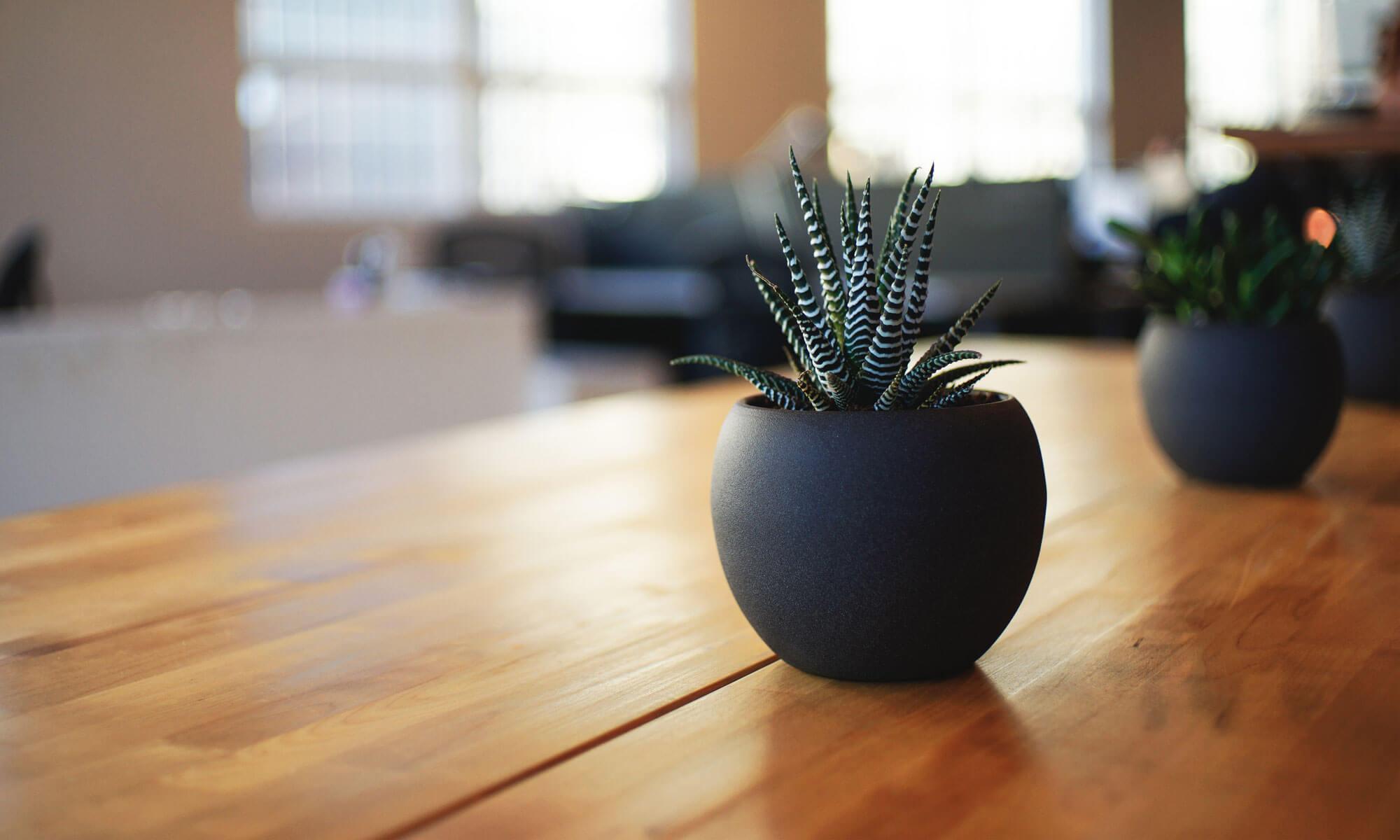
- Exceptional interiors featuring listawood.com create lasting impressions and elevate residential spaces
- The Versatility of Wood in Modern Interior Design
- The Importance of Wood Source and Treatment
- The Role of Wood in Creating Specific Design Styles
- Wood and Scandinavian Design Principles
- Integrating Wood with Other Materials
- Balancing Warmth and Coolness
- The Future of Wood in Interior Design
- Designing for Longevity: Investing in Quality Wood Components
Exceptional interiors featuring listawood.com create lasting impressions and elevate residential spaces
The pursuit of a truly exceptional interior is a journey, one where every detail matters. From the selection of furniture and textiles to the inherent quality of the materials used, each element contributes to the overall ambiance and lasting impression a space provides. Recently, homeowners and designers alike have begun to recognize the significant impact that interior wood components have on achieving this desired aesthetic. This is where the craftsmanship and innovative solutions offered by listawood.com come into play, providing a cornerstone for creating interiors that resonate with sophistication and enduring style.
Beyond mere aesthetics, the selection of wood products for interior design carries implications for sustainability, durability, and even the health of the living environment. Consumers are increasingly aware of the provenance of materials and the environmental impact of their choices. High-quality wood, sourced responsibly and crafted with precision, not only enhances the visual appeal of a space but also reflects a commitment to mindful living. Modern interior design is deeply concerned with balancing form and function, and the right wood components are crucial for achieving this harmonious blend.
The Versatility of Wood in Modern Interior Design
Wood, as a material, boasts an unparalleled versatility that makes it suitable for a wide range of applications within the interior design realm. It can be incorporated into structural elements like beams and columns, creating a sense of rustic grandeur, or utilized in more refined forms such as panelling and moulding to evoke a sense of classic elegance. The natural grain patterns and warm tones of wood add a layer of richness and texture that is difficult to replicate with other materials. Furthermore, advancements in wood treatment and finishing techniques have expanded its suitability for even moisture-prone areas like bathrooms and kitchens. The inherent properties of wood also contribute to a sense of well-being; studies have shown that exposure to natural materials can reduce stress levels and promote a sense of calm. This organic element is particularly valuable in contemporary design, where creating a harmonious and restorative environment is paramount.
The Importance of Wood Source and Treatment
Choosing wood isn't just about aesthetics; it's about making a responsible decision. Sustainable forestry practices ensure the long-term health of our forests, and certified wood products provide assurance that the material has been harvested in an environmentally friendly manner. Similarly, the type of treatment applied to the wood can significantly impact its durability and resistance to pests and moisture. Modern treatments are designed to minimize the use of harmful chemicals, prioritizing the health of both the occupants of the space and the environment. Consideration should also be given to the specific application of the wood; indoor applications require different treatments than outdoor ones, and different wood species possess varying levels of natural resistance to the elements. Ultimately, informed choices regarding wood source and treatment are critical for creating a beautiful and sustainable interior.
| Oak | Flooring, Furniture, Panelling | High | Medium-High |
| Maple | Cabinets, Flooring, Furniture | Medium-High | Medium |
| Pine | Panelling, Furniture, Accents | Low-Medium | Low |
| Walnut | Furniture, Veneer, Decorative Accents | High | High |
The table above illustrates some common wood species and their properties. Understanding these variations is vital for making the best decisions when integrating wood into interior projects. Careful selection will ensure long-lasting beauty and structural integrity.
The Role of Wood in Creating Specific Design Styles
The beauty of wood lies in its adaptability. It seamlessly integrates into countless design philosophies, from minimalist Scandinavian aesthetics to opulent Victorian interiors. In contemporary spaces, clean-lined wooden furniture and light-toned wood flooring contribute to a sense of spaciousness and calm. Conversely, in more traditional settings, richly detailed wood carvings and dark, polished wood furniture evoke a feeling of warmth and grandeur. The key is to choose wood that complements the overall design scheme and enhances the desired mood. Furthermore, the finish applied to the wood—matte, satin, or gloss—can significantly alter its appearance and impact the overall aesthetic. A matte finish, for example, lends a more natural and understated look, while a glossy finish adds drama and sophistication. The possibilities are truly endless, limited only by imagination and design vision.
Wood and Scandinavian Design Principles
Scandinavian design, known for its emphasis on simplicity, functionality, and connection to nature, heavily features wood as a core element. Light-colored woods like birch and maple are particularly popular, contributing to the bright and airy feel characteristic of this style. Furniture often showcases clean lines and minimal ornamentation, allowing the natural beauty of the wood to take center stage. The use of wood extends beyond furniture to include flooring, wall panelling, and even decorative accessories. The goal isn't merely to incorporate wood as a material; it's to create a space that feels warm, inviting, and deeply connected to the natural world. This emphasis on natural materials is fundamental to the Scandinavian aesthetic and a key factor in its enduring appeal.
- Light wood tones promote a sense of openness.
- Minimal ornamentation highlights the natural grain of the wood.
- Wood is used extensively in flooring and wall coverings.
- Functionality is prioritized in wood furniture design.
These principles, when applied thoughtfully, demonstrate the power of wood in creating a harmonious and inviting interior.
Integrating Wood with Other Materials
Successful interior design rarely relies on a single material in isolation. Instead, it involves a careful orchestration of different textures, colors, and finishes. Wood, with its natural warmth and versatility, pairs exceptionally well with a wide variety of other materials. For example, combining wood with metal accents can create a striking contrast between organic and industrial elements. Pairing wood with glass adds a sense of lightness and transparency, while combining it with stone lends a feeling of solidity and permanence. The key is to consider the overall design aesthetic and choose materials that complement each other in terms of both visual appeal and functional performance. Thinking about texture is equally important; contrasting smooth wood surfaces with rough, textured materials can add depth and visual interest to a space.
Balancing Warmth and Coolness
One of the most effective ways to create a visually appealing interior is to balance warm and cool tones. Wood, with its inherent warmth, provides a natural counterpoint to cooler materials like concrete, steel, and glass. This balance prevents the space from feeling either sterile or overly cozy, resulting in a more harmonious and inviting atmosphere. For instance, incorporating wood flooring into a modern loft with exposed concrete walls can soften the industrial aesthetic and create a more welcoming environment. Similarly, adding wood furniture to a minimalist space with cool gray walls can inject warmth and personality. Strategic use of wood is therefore crucial for achieving a balanced and visually appealing interior.
- Identify the dominant cool tones in the space.
- Introduce wood accents to counterbalance the coolness.
- Consider the type of wood and its finish to achieve the desired warmth.
- Pay attention to texture to create visual interest.
Following these steps ensures the wood complements the existing materials and enhances the overall aesthetic.
The Future of Wood in Interior Design
The demand for sustainable and aesthetically pleasing interior solutions continues to drive innovation in the wood industry. We’re seeing a growing interest in reclaimed wood, which offers a unique character and reduces the environmental impact of sourcing new materials. Engineered wood products, such as plywood and MDF, are also becoming increasingly popular due to their affordability, stability, and versatility. Moreover, advancements in wood finishing technologies are allowing for a wider range of colors, textures, and protective coatings, further expanding the design possibilities. The integration of smart technologies into wood furniture and building components is another emerging trend, offering features like integrated lighting, charging stations, and even automated climate control. Looking ahead, wood is poised to remain a central element in interior design, evolving in response to changing needs and technological advancements.
The team at listawood.com is at the forefront of these developments, offering a diverse range of high-quality wood products and innovative solutions for designers and homeowners. Their dedication to sustainability and craftsmanship ensures that their offerings meet the highest standards of both aesthetic appeal and environmental responsibility.
Designing for Longevity: Investing in Quality Wood Components
When selecting wood for interior applications, it’s vital to consider not just immediate aesthetics but also long-term durability and value. Investing in high-quality wood components, even if it requires a higher upfront cost, can often save money in the long run by reducing the need for frequent repairs or replacements. Properly maintained wood can last for generations, becoming a cherished heirloom pieces or integral features of a home. Furthermore, quality wood adds to the overall perceived value of a property, making it a smart investment for homeowners. Consider the level of foot traffic and use a space will receive when choosing wood for flooring or furniture, and select species and finishes that are appropriate for the intended application. Protecting wood from excessive moisture, direct sunlight, and extreme temperature fluctuations is also crucial for preserving its beauty and longevity.
The commitment to quality materials and construction, epitomized by companies like listawood.com, means that interior spaces aren’t just designed; they are built to endure. By carefully selecting and maintaining wood components, homeowners and designers can create interiors that are both beautiful and lasting, contributing to a more sustainable and fulfilling living experience.